A stamped concrete patio changes the way you use your outdoor space, but before you commit, you need a clear stamped concrete patio cost estimate so there are no surprises on the invoice. Prices vary widely depending on the size of your patio, the pattern and color you choose, and how much site preparation your property requires. In Southwest Florida, local factors like sandy soil conditions and extreme heat exposure also play a direct role in what you’ll pay.
At CHC Concrete, we pour and finish stamped patios across Fort Myers, Cape Coral, Estero, and Bonita Springs. We see the quotes homeowners get, and we see where those quotes fall short on detail. A number without context doesn’t help you budget. What helps is understanding what drives the cost and where your money actually goes, from base preparation and reinforcement to the stamping and sealing work that gives the surface its final look and long term durability against Florida’s rain and UV exposure.
This guide breaks down current 2026 pricing per square foot, total project estimates for common patio sizes, and every major factor that influences your final number. Whether you’re replacing a worn slab or building from scratch, you’ll walk away with the information you need to compare quotes confidently and plan your project with a realistic budget.
Why stamped concrete patio estimates vary
Every stamped concrete patio cost estimate you receive reflects a unique combination of variables. Two patios with the same square footage can carry quotes that differ by thousands of dollars, and that gap isn’t random. Contractors price based on what your specific project actually requires, from the complexity of the pattern you choose to how much prep work your soil demands before a single yard of concrete gets poured.
Pattern and color choices
The pattern and color you select are two of the biggest price drivers on any stamped patio project. Simple single pattern designs like a basic ashlar slate or running bond brick cost less to stamp than multi layer patterns that require multiple stamp mats, precise alignment, and longer working time on the slab. Color adds another layer of cost. Integral color mixed directly into the concrete runs more than a basic color hardener, and adding an accent color with a release agent increases both material and labor costs significantly.
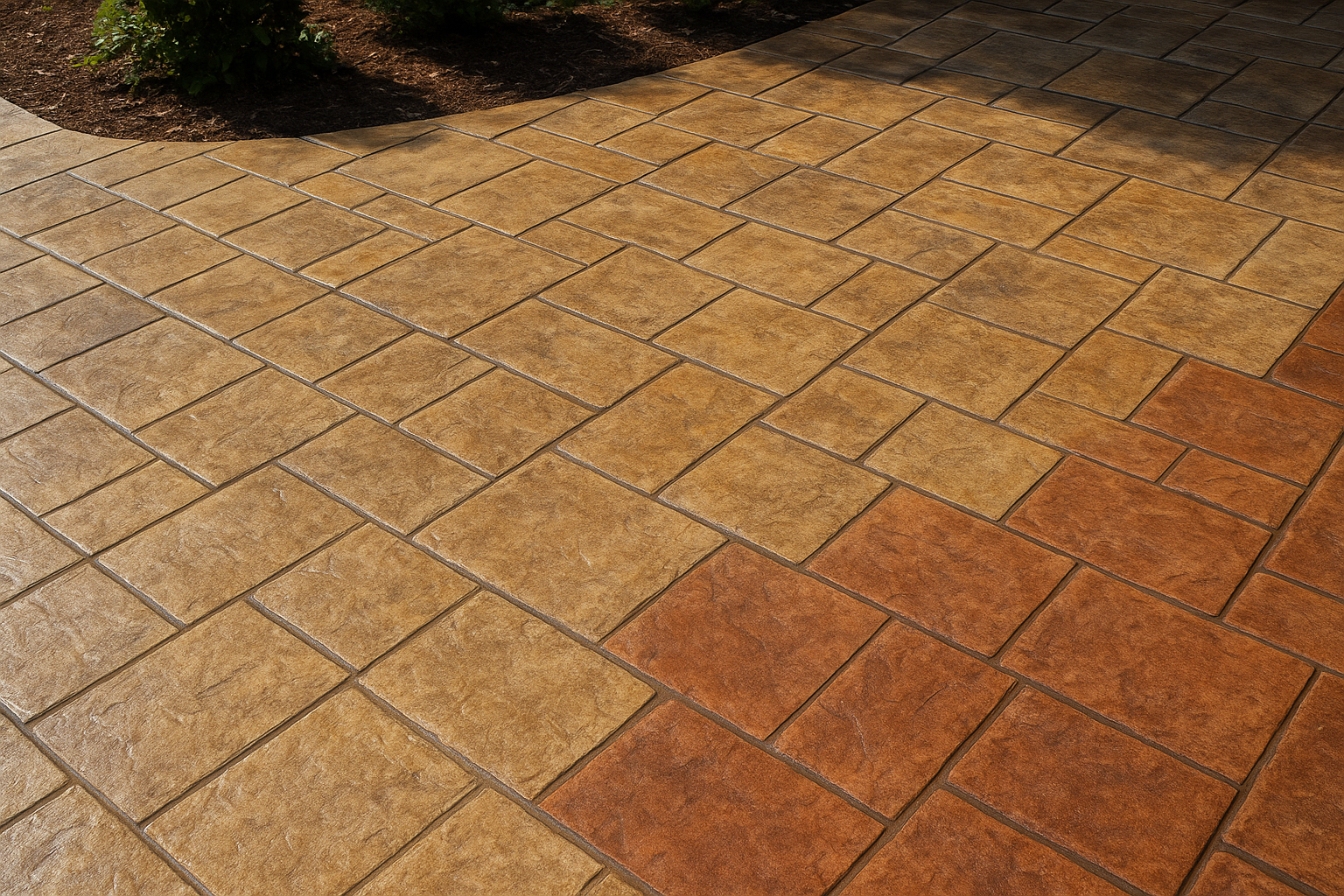
The more complex your pattern and color combination, the more time a crew spends working the surface before it sets, and labor time directly raises your final number.
Here is a general breakdown of how pattern complexity affects relative cost:
- Single pattern, single color: lowest cost tier
- Single pattern with accent color: mid range
- Multi pattern or custom border work: higher cost tier
- Hand cut details or custom inlays: premium pricing
Slab thickness and reinforcement
Standard residential patios are typically poured at 4 inches thick, but patios connected to a pool deck or carrying heavier foot traffic often need 4.5 to 5 inches. Reinforcement matters just as much as depth. In Southwest Florida, rebar or wire mesh is standard practice because sandy soils shift more than compacted clay, and without proper steel reinforcement, a slab can crack under that movement within a few years.
Site preparation requirements
The condition of your existing ground determines how much prep work is needed before a pour begins. Removing an old concrete slab adds demolition costs, while a soft or uneven base may require fill material, compaction, and additional grading. Your property’s drainage and slope also factor directly into pricing, since Florida’s heavy rainfall means a properly graded patio is not optional.
2026 stamped concrete patio prices by size
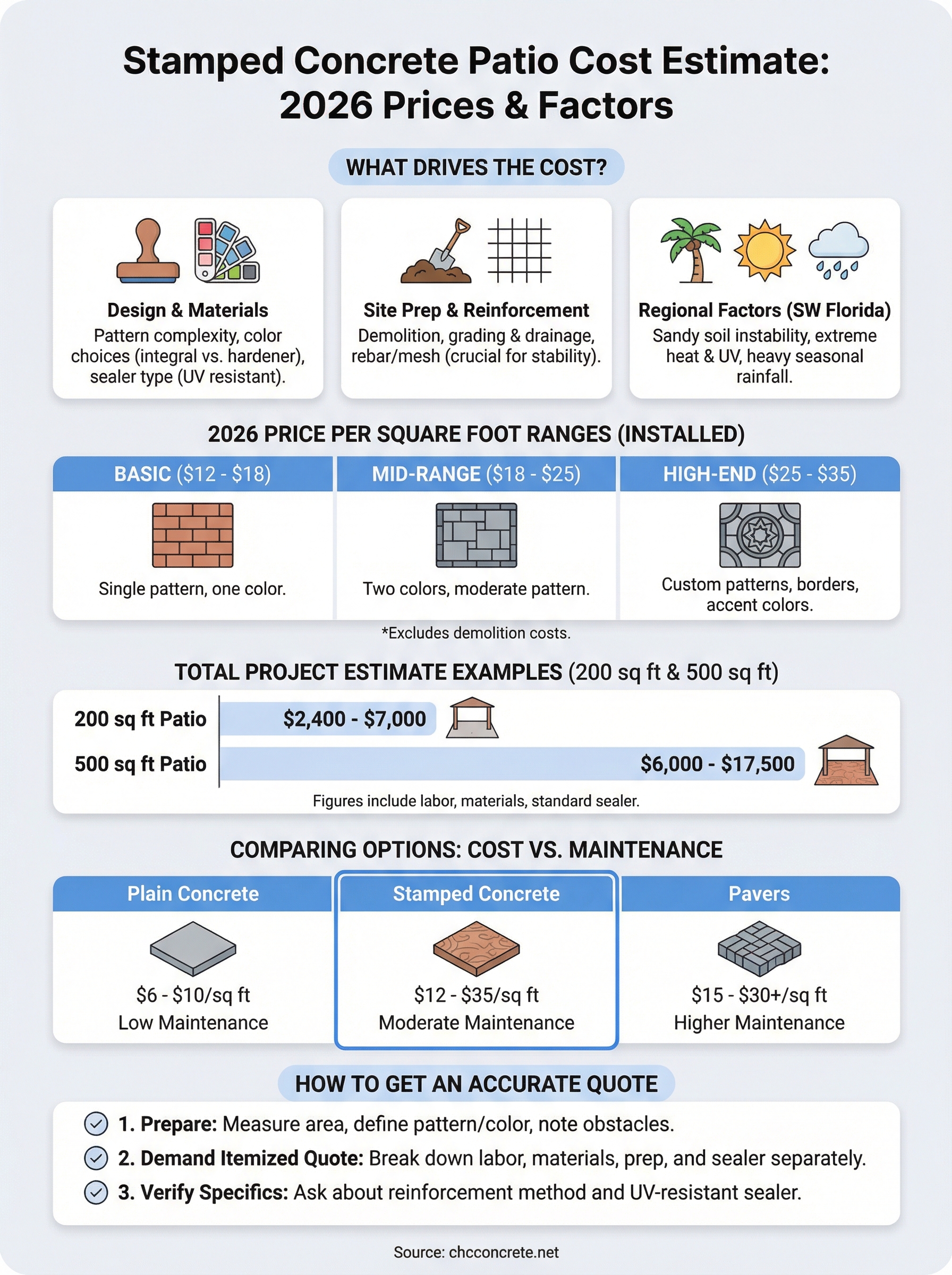
A useful stamped concrete patio cost estimate starts with understanding the baseline price range per square foot, then applying that to your actual patio dimensions. In 2026, Southwest Florida homeowners are looking at $12 to $35 per square foot for stamped concrete, depending on pattern complexity, color work, and site conditions. That range exists because a basic single pattern slab with one color costs significantly less than a custom multi border design with integral coloring and a high gloss sealer.
Price ranges per square foot
Most stamped patio projects fall into three tiers based on design complexity and finish level.
| Complexity Level | Price Per Square Foot |
|---|---|
| Basic (single pattern, one color) | $12, $18 |
| Mid range (two colors, moderate pattern) | $18, $25 |
| High end (custom patterns, borders, accent color) | $25, $35 |
Your site preparation costs sit on top of these numbers if demolition or significant grading is required before the pour begins.
Total project costs by patio size
Multiplying these ranges across common patio sizes gives you a realistic window for budgeting.
These figures represent installed costs including labor, materials, and a standard sealer coat, but exclude demolition of an existing slab.
| Patio Size | Basic | Mid Range | High End |
|---|---|---|---|
| 200 sq ft | $2,400, $3,600 | $3,600, $5,000 | $5,000, $7,000 |
| 300 sq ft | $3,600, $5,400 | $5,400, $7,500 | $7,500, $10,500 |
| 400 sq ft | $4,800, $7,200 | $7,200, $10,000 | $10,000, $14,000 |
| 500 sq ft | $6,000, $9,000 | $9,000, $12,500 | $12,500, $17,500 |
Larger patios benefit from slight economies of scale on labor, but material costs scale with every square foot regardless of project size.
What drives the final price in Southwest Florida
Southwest Florida’s climate and soil conditions add specific costs that homeowners in other regions simply don’t face. Any accurate stamped concrete patio cost estimate for this area needs to account for these regional factors upfront, not as a surprise line item after you’ve already agreed on a number.
Sandy soil and base prep
Fort Myers, Cape Coral, and surrounding areas sit on loose sandy soil that shifts more than the compacted ground found in northern states. Before any concrete gets poured, a contractor needs to compact that base and often bring in fill material to create a stable foundation. Skipping or rushing this step leads to cracking within a few years, which costs far more to fix than doing it correctly the first time.
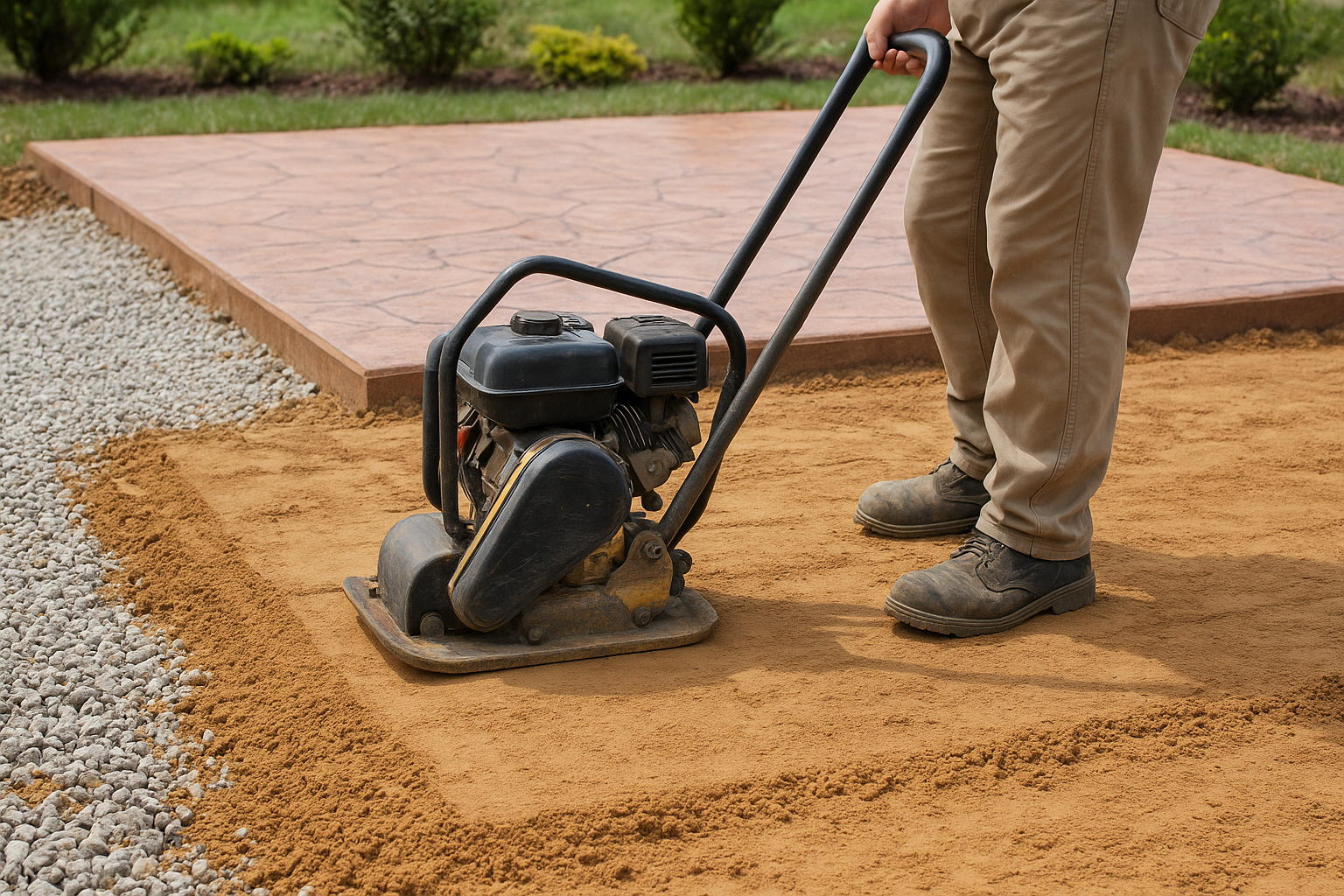
A patio that settles unevenly in sandy soil can crack across stamped seams, which makes repairs far more visible and expensive than cracks on plain concrete.
Heat, UV, and sealer requirements
Florida’s intense UV exposure breaks down standard sealers faster than in cooler climates, which means contractors here typically apply a UV resistant sealer rated for high heat environments. This product costs more than a basic sealer, but it protects your pattern and color from fading within the first year. Resealing frequency in Southwest Florida runs every two to three years versus four to five years in milder climates, so factor that ongoing maintenance cost into your total budget from the start.
How to get an accurate stamped patio estimate
Getting a reliable stamped concrete patio cost estimate starts before you ever contact a contractor. The more specific information you bring to the conversation, the more accurate your quote will be. Vague requests produce vague numbers, and vague numbers lead to budget surprises once the work is underway.
Prepare before you call
Walk your property and measure the area you want paved as accurately as you can. Note any obstacles like trees, planters, or existing structures along the edges. Think through your pattern and color preferences so you can communicate a clear vision rather than asking a contractor to guess. Knowing whether you need demolition of an existing slab also helps, since that work adds to your total and needs to appear in any honest quote.
The clearer your project scope when you reach out, the less likely you are to receive a lowball estimate that grows once work begins.
What a complete quote should include
A written quote should break down labor, materials, base preparation, and sealing as separate line items rather than lumping everything into a single total. Ask specifically whether the price includes removal of an existing slab, what reinforcement method the contractor plans to use, and which sealer product is specified. Any contractor unwilling to itemize costs is likely leaving room to adjust numbers later, which protects them and not you. Compare at least two to three written quotes before committing.
Stamped concrete vs pavers and plain concrete costs
When you’re building a stamped concrete patio cost estimate, knowing how your options compare helps you decide where your money goes furthest. Cost alone shouldn’t drive the decision, but understanding the price difference between materials gives you a clearer picture before you commit.
Plain concrete
Plain broom finished concrete runs $6 to $10 per square foot installed, making it the lowest upfront cost of the three options. You give up visual appeal for that savings, and a plain gray slab carries no pattern, no color, and limited curb appeal. Over time, the cost gap narrows because stamped concrete holds its appearance longer with proper sealing, while plain concrete shows every stain and crack more bluntly.
Pavers
Concrete pavers typically cost $15 to $30 per square foot installed for standard styles, with premium natural stone pavers climbing well above that range. Individual units can be replaced if one cracks or shifts, but installation takes longer and the joint sand between pavers requires regular maintenance in Florida’s wet climate.
| Material | Installed Cost (per sq ft) | Maintenance Level |
|---|---|---|
| Plain concrete | $6, $10 | Low |
| Stamped concrete | $12, $35 | Moderate |
| Concrete pavers | $15, $30+ | Higher |
Stamped concrete sits in the middle ground: it costs more than plain concrete but delivers a decorative finish, and it often undercuts premium pavers while requiring fewer ongoing repairs.
Stamped concrete gives you a finished, attractive surface without the highest price tag in the category.
Final takeaways
A solid stamped concrete patio cost estimate gives you more than a number to shop against. It tells you whether a contractor understands your site, your soil, and the specific demands that Southwest Florida’s climate places on every pour. Prices in 2026 run from $12 to $35 per square foot depending on pattern complexity, color work, and base preparation requirements. Your total project cost shifts based on size, design choices, and whether demolition of an existing slab is part of the scope.
Regional factors matter here in ways they don’t in other parts of the country. Sandy soil, intense UV exposure, and heavy seasonal rainfall require specific prep and sealer work that affects both your upfront cost and your long term maintenance schedule. Getting an itemized quote from a contractor who understands those conditions is the single most useful step you can take before signing anything. Contact CHC Concrete for a free on site estimate and get a number built around your actual project.